


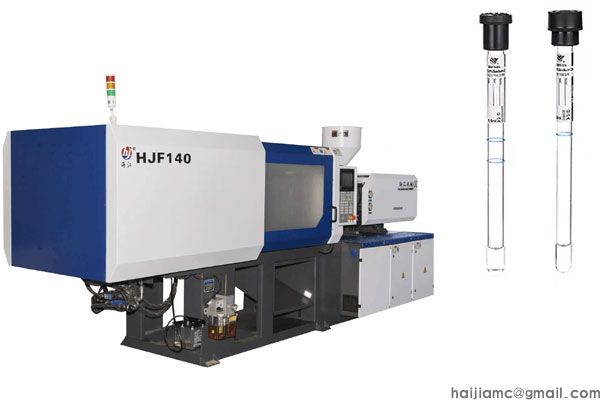
You know, every time I go to the doctor for a check-up and they pull out that needle, I’m not looking at the needle. I’m looking at the tube. Specifically, that little skinny one with the black cap they use for the inflammation tests. The ESR tube. Most people just see a piece of plastic, but I see the absolute headache it takes to get that thing right. I was just thinking about this the other day while watching a production line run. It’s funny how we trust these little bits of plastic with our health, but making them is such a messy, loud, greasy business. It’s not like the clean white labs you see on TV. Real manufacturing smells like hot plastic and hydraulic oil. If you’ve ever tried to set up a line for whole blood collection tubes, especially the ESR ones, you know it’s not just "press a button and go." It starts way before the machine even moves. It starts with the plastic pellets. I personally think the prep work is where most guys mess up. You’ve got these sacks of raw material, usually PP or PET, and if there is even a drop of moisture in there, the whole batch is ruined. Bubbles, streaks, garbage. That’s why you can’t skip the **hopper dryer**. It sits on top of the machine like a big funnel, cooking the moisture out of the plastic. I remember back in the day trying to run a batch without drying it properly because we were in a rush—big mistake. The tubes came out looking cloudy, like they had fog inside. We had to scrap thousands of them. Never doing that again. And honestly, nobody wants to be climbing up a ladder carrying heavy bags of plastic pellets all day. My back certainly can't take that anymore. That’s why the **auto loader** is a lifesaver. It just sucks the pellets up through a hose and dumps them into the dryer. It makes this distinct *whoosh-clatter* sound that kind of becomes the background music of the shop floor. If that sound stops, you know you’re in trouble. But the real beast, the star of the show, is the **plastic injection molding machine** itself. These things are massive. They have so much power it’s kind of scary if you think about it too much. You’re melting rock-hard plastic and shooting it into a tiny space in the blink of an eye. For ESR tubes, the machine has to be precise. Like, really precise. Because these tubes have to hold a vacuum later on. If the wall of the tube is a hair too thin on one side, it cracks, the vacuum leaks, and the blood test fails. I’ve spent so many nights just staring at the **mould** clamping shut and opening again. *Clunk. Hiss. Clunk. Hiss.* The mould is expensive, probably costs more than my car. Maybe more than my house depending on how many cavities it has. You have to treat it like gold. I get nervous just seeing someone walk near it with a screwdriver in their pocket. If you scratch the inside of that mould, even a tiny bit, every single tube comes out with a scar. And in the medical world, cosmetic defects are treated like functional defects. They just toss them. The problem with all this melting and squishing is heat. The machine gets hot, the oil gets hot, the mould gets scorching hot. If you don't cool it down fast enough, the plastic doesn't set right. It stays gooey. You pull it out and it warps like a banana. That’s where the **chiller** comes in. It pumps freezing cold water through the mould channels to snap that plastic into shape instantly. I’ve had days where the chiller went down in the middle of summer, and let me tell you, the panic is real. You’re watching product pile up that looks like melted wax. And you can’t forget the **cooling tower** outside. It’s usually out back, steaming away, handling the heat from the machine's hydraulics. It’s weirdly peaceful out there by the tower, listening to the water falling, while inside it’s chaos and noise. The thing about ESR tubes specifically is that they are skinny and long. They are tricky to eject. Sometimes they get stuck. I’ve had days where I just wanted to kick the machine, but you can’t. You have to be patient. You have to tweak the speed, tweak the pressure, check the temperature again. It’s a constant dance. It’s not just about making the plastic tube, either. You’ve got to think about the assembly later—putting the sodium citrate in, capping it, pulling the vacuum. But if the plastic tube itself isn't perfect, none of that matters. I feel like people think factories are run by robots now, but they aren't. It’s guys walking around with rags, checking gauges, listening for weird noises. It’s spotting a tiny bubble in a tube that’s moving past you at a hundred miles an hour. It’s human intuition. Machines are great, but they don't know when they sound "sick" or when the weather is making the cooling tower act up. Only we know that. Anyway, it’s a lot of work for a little tube that gets thrown in the biohazard bin five minutes after it’s used. But I guess that’s the job. Someone has to make sure the doctor can get that blood sample. Just hope the coffee machine in the break room is working better than the loader today.
Country