


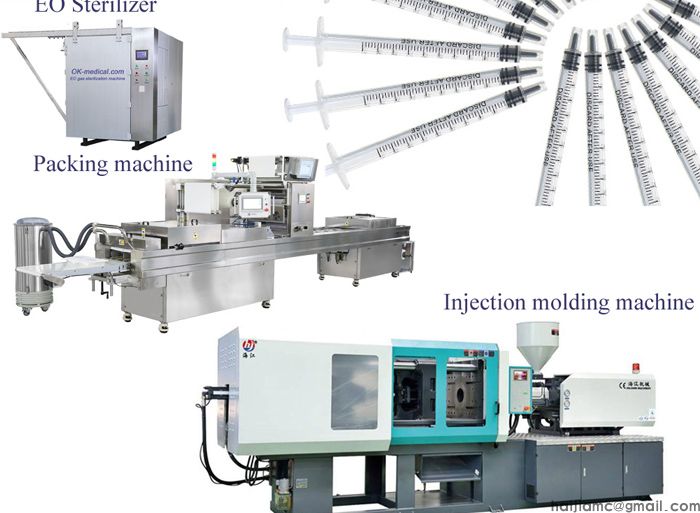
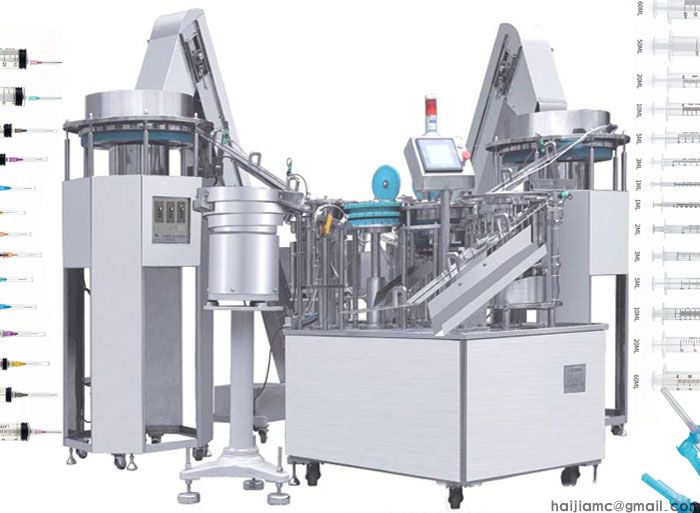
Some customers ask me how this product is made, it's actually not that complicated, even though looking at a full factory floor can make your head spin a little bit. I remember the first time I walked into a production plant, the noise was the first thing that hit me. It’s a rhythmic thumping and hissing that you eventually just get used to, kind of like traffic noise if you live in the city. When we talk about making these serum blood collection tubes—the ones used for pro-coagulation, usually with that red cap you see at the doctor's office—it really all starts with the raw plastic. It’s usually PET material. It comes in these big bags of pellets that look like little glass beads. Now, here is where I used to mess up when I was new. You can't just melt the stuff right away. Plastic acts like a sponge; it sucks up moisture from the air. If you try to mold wet plastic, the tubes come out looking cloudy or they have weak spots. It’s a nightmare. So, the first real step isn't even making the tube, it's drying the material. We use a **hopper dryer** for that. It sits on top of the machine, hot air blowing through the pellets to get them bone dry. And trust me, I’m not carrying fifty-pound bags up a ladder all day to fill it. That’s why we have an **auto loader**. It just sucks the pellets up through a hose. It’s a back-saver, honestly. I don't know how the old-timers did it without one. Once the plastic is dry and hot, it drops into the main beast: the **plastic injection molding machine**. This thing is the workheart of the shop. It takes the melted plastic and shoots it forward with a crazy amount of pressure. We are talking tons of pressure here. It pushes the goo into the **mold**. Or **mould**, I guess, depending on how you were taught to spell it. I see it written both ways on the paperwork and it always confuses me for a second. Anyway, the **mould** is just a big block of steel with the shape of the test tubes carved out inside. This is where it gets tricky. The plastic is super hot, right? Like, hundreds of degrees. But the tube needs to be solid to pop out. If you open the machine too fast, the tube is still gooey and it warps. If you wait too long, you’re wasting time and money. That’s where the **chiller** comes in. It pumps ice-cold water through channels inside the steel mold to freeze the plastic into shape instantly. I’ve spent way too many nights staring at the temperature gauge on the chiller, trying to get it exactly right. If the water is two degrees too warm, the tubes stick. It’s a delicate dance. When the machine opens—clunk—the tubes drop out. But not every shot is perfect. Especially when you first start the machine up in the morning, you get some junk. Maybe the color is off, or there’s a black speck. We don't just throw that away. Plastic is money. We take the bad tubes and the little runners (the leftover stems) and throw them into a **crusher**. It’s the loudest thing in the room, sounds like a blender eating rocks. It grinds the bad stuff back into pellets so we can dry them and use them again. Nothing wasted. For these specific tubes, the pro-coagulation ones, there is another step after the molding where they get sprayed with a chemical to help the blood clot, but honestly, the plastic work is the hard part. Getting that clear, glass-like look on a plain plastic tube isn't as easy as it looks. I personally think there is something satisfying about watching the bin fill up with perfectly clear tubes. It’s repetitive, yeah. But when the machine is running smooth and the chiller is humming and you don't have to constantly fix the auto loader, it’s actually kind of peaceful. You just let the rhythm take over. Does anyone else feel that way about loud machinery, or is it just me?
Country